
This is the total of both, direct and indirect employment growth as a result of the expansion. Estimates put together by the Society of Indian Automobile Manufacturers (Siam) say this will be the extra added between now and 2012, to support the ever-increasing demand for new vehicles.

These companies are keen on having a presence in the segment below their current range of premium sedans, whose market is relatively smaller in size.
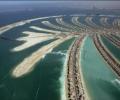
Indian engineering and management institutes, which have set up bases in Dubai, are facing a 13-60 per cent dip in admissions due to the economic crisis in the city, which is one of the seven emirates of the United Arab Emirates (UAE).
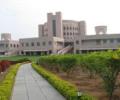
Hyderabad-based Indian School of Business (ISB) is off to a flying start this season. Citi Group has offered an analyst investment banker's position with so far the highest offer of Rs 40 lakh per annum, followed by a Rs 33-lakh offer by Parthenon Group, a consulting firm.
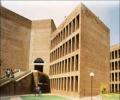
The IIMs will begin final placements in March 2010.

The 'First Status Report on Technology Business Incubation' in India also stated that 20 to 30 per cent of incubated companies make it big.
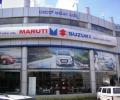
Rise in prices of essential inputs increases cost of producing cars, making them less affordable.

Leading carmakers are considering raising prices of their vehicles across the board, if the government withdraws the excise duty benefit in the coming Budget.
Chinese auto component manufacturers are quietly making inroads into India.
Toyota Motor Corporation unveiled the much-awaited small car that it developed for the Indian market at the Delhi Auto Expo.

These universities are a part of the ministry's 'brain gain' policy to attract talent from all over the world. Human Resources Development Minister Kapil Sibal had last August announced that 14 Innovation Universities will be set up in the country under the 11th Five-year Plan (2007-12).
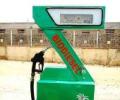
People will have to pay 50p-Re 1 more per litre of petrol and diesel when 11 cities in India move to the Euro IV emission norm, and the rest of the country to Euro III, in April 2010.

Contrary to expectations that car sales dip in December, auto majors Maruti Suzuki and Hyundai Motor India are poised to grow 30 per cent in sales (the two companies control 72 per cent of the domestic market). General Motors is looking at 70-80 per cent increase in sales.
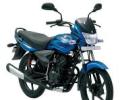
Bajaj Auto, the country's second-largest manufacturer of motorcycles, has phased out two more models. This makes four bike models phased out in four months, due to weak demand.

The Delhi-based group has already announced Rs 2,300-crore (Rs 23-billion) investment in setting up a number of luxury and mid-market hotels across business and leisure destinations in India and abroad.

Last year, over 200 companies adopted 300 ITIs in the country and the involvement is gaining pace.

The opportunity is huge. With Rs 8,000 crore worth of defence contracts signed in the last two years under the offset policy mandated by the government, Indian component suppliers are gearing up to cash in on balance contracts worth Rs 1,30,000 crore, which would be up for grabs in the next few years.
Day Zero was created when demand for IIM graduates had peaked and the institutes had to resort to creative mathematics to accommodate big recruiters without offending the existing ones. Falling job market has forced the B-schools to review the strategy, including placement fee revision.

Tata Motors' luxury automotive brand, Jaguar, bagged a three-year order to supply 13,000 units of its range to a Chinese company earlier this year. Its Land Rover, jointly with Jaguar, is charting new territories for expansion.

India is now the new battleground for two of UK's ultra luxury car makers.
 © 2025 Rediff.com - Investor Information - Advertise with us - Disclaimer - Privacy Policy - Sitemap - Feedback - About us - Terms of use - Grievances